How to Get More Google Reviews Safely: The 2026 System
Discover a safe system to boost reviews for your restaurant or hotel and learn which banned tactics you must steer clear of in 2026.

Let’s be direct. Building a strong review profile is a marathon, not a sprint. In 2026, the old-school tricks from the last decade simply don't work anymore. Platform algorithms are more sophisticated, guests are more discerning, and the rules are stricter than ever. To build a strong online reputation, you need a transparent system, one that runs in the background, respects the customer’s space, and protects your business from being penalized.
The key is realizing you can’t force a review. However, you can create an environment where leaving one is easy and pleasant for the guest.
What Never to Do: The Rules You Can’t Break
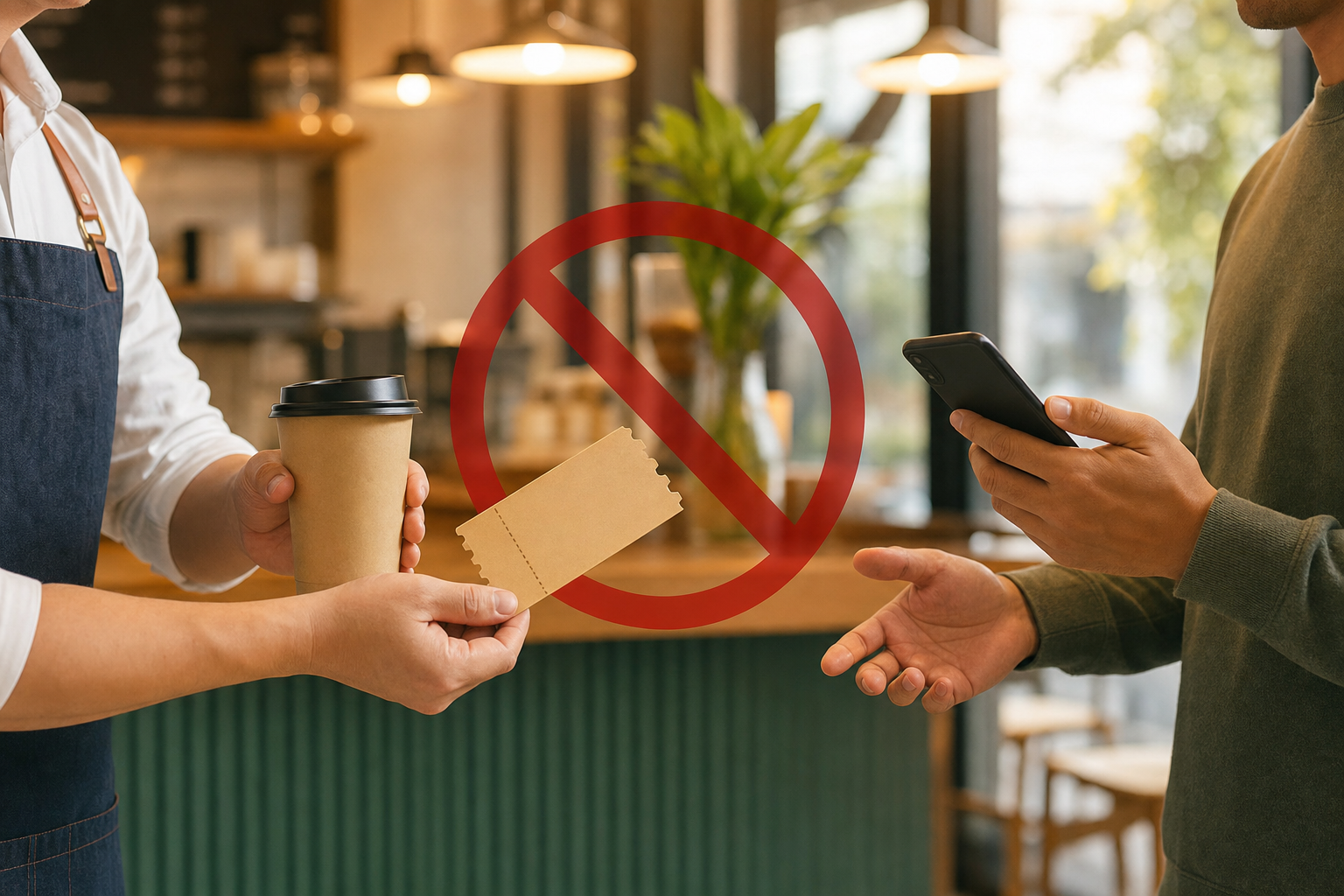
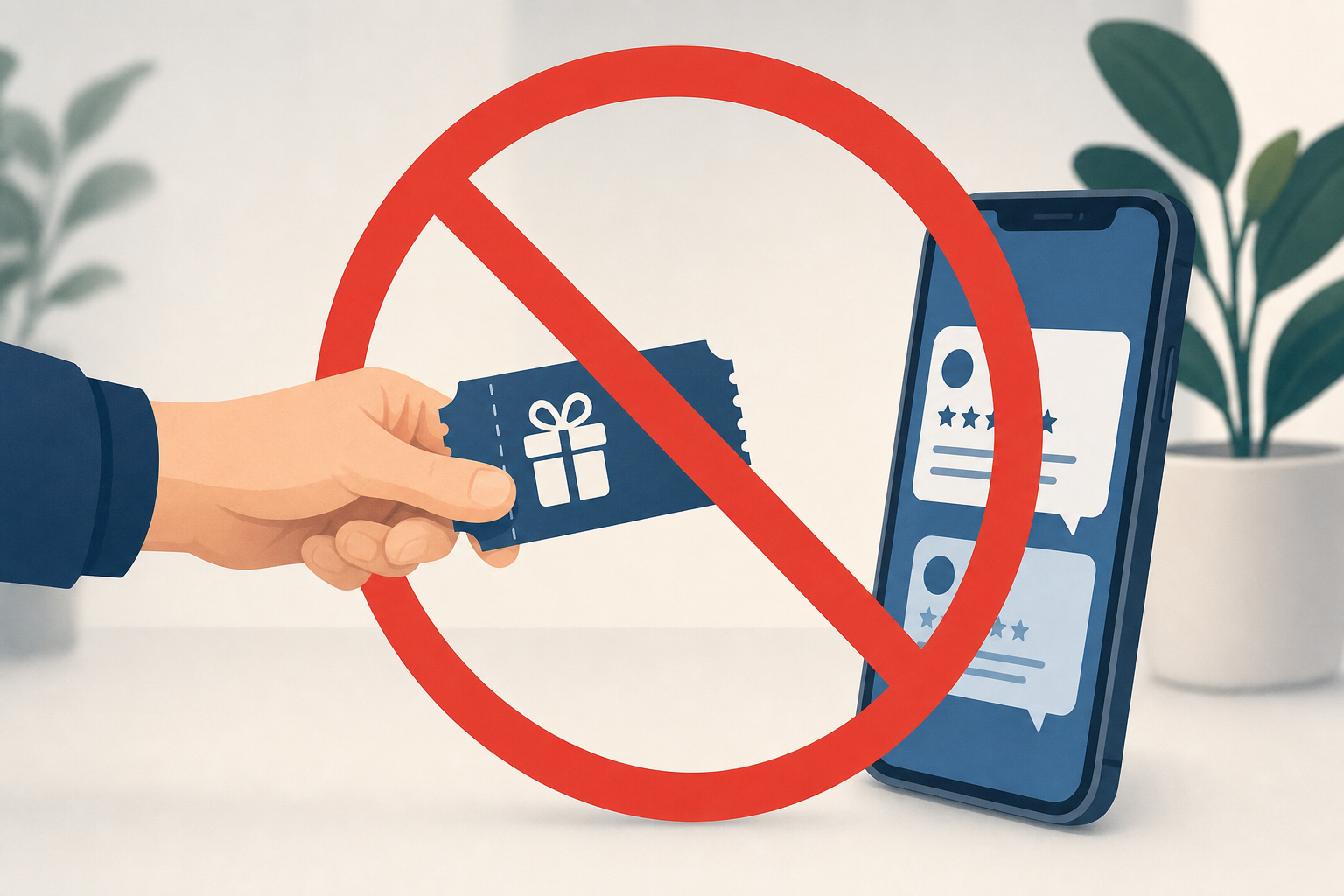
Before we dive into how to safely grow your Google reviews, we need to define the guardrails. Platforms actively remove fake or manipulated ratings. In extreme cases, they can suspend your profile. For a bistro in the city centre or a boutique hotel by the sea, that means an immediate loss of visibility on Google Maps.
Avoid these practices at all costs:
- Don't buy reviews with discounts: Never offer a free espresso, a dessert, a discount on the bill or any other bonus in exchange for a review. This also applies to influencing the content of the review. To stay within the rules, feedback must be entirely independent.
- Don't filter your guests: A practice known as "review gating" is strictly prohibited. This means only asking obviously happy guests for a review while redirecting unhappy ones to a private feedback form. Your review link must be accessible to everyone equally.
- Don't pressure guests at the table: A server should never hover over a guest waiting for them to tap five stars on their phone. Repeatedly pestering someone for feedback feels desperate and intrusive. Likewise, never ask for a review from a guest who is clearly frustrated as they walk out the door. Instead, handle complaints directly on the spot.
- Forget about employee quotas: Don't set targets for your staff based on the number of reviews collected. Avoid internal competitions for who gets mentioned the most by name, and don't coach guests to name-drop your staff. It feels forced and disingenuous to the customer.
These restrictions aren't meant to scare you. They exist solely to keep the ecosystem fair for everyone, both businesses and consumers.
What’s Allowed vs. What’s Forbidden
| Allowed | Forbidden |
|---|---|
| Asking every guest for an honest review | Offering a discount, coffee, or gift in exchange for a review |
| Providing a QR code or a direct link to your profile | Only targeting guests you know are satisfied |
| Sending a follow-up email or text after a stay | Giving staff quotas for the number of reviews collected |
| Thanking the guest in a public response | Asking a guest to mention a staff member’s name specifically |
| Collecting reviews consistently year-round | Pressuring a guest to write a review while they are still eating |
For more details on why reviews matter or how quickly you should be responding, check out our Frequently Asked Questions.
How to Get Google Reviews Right at the Point of Sale
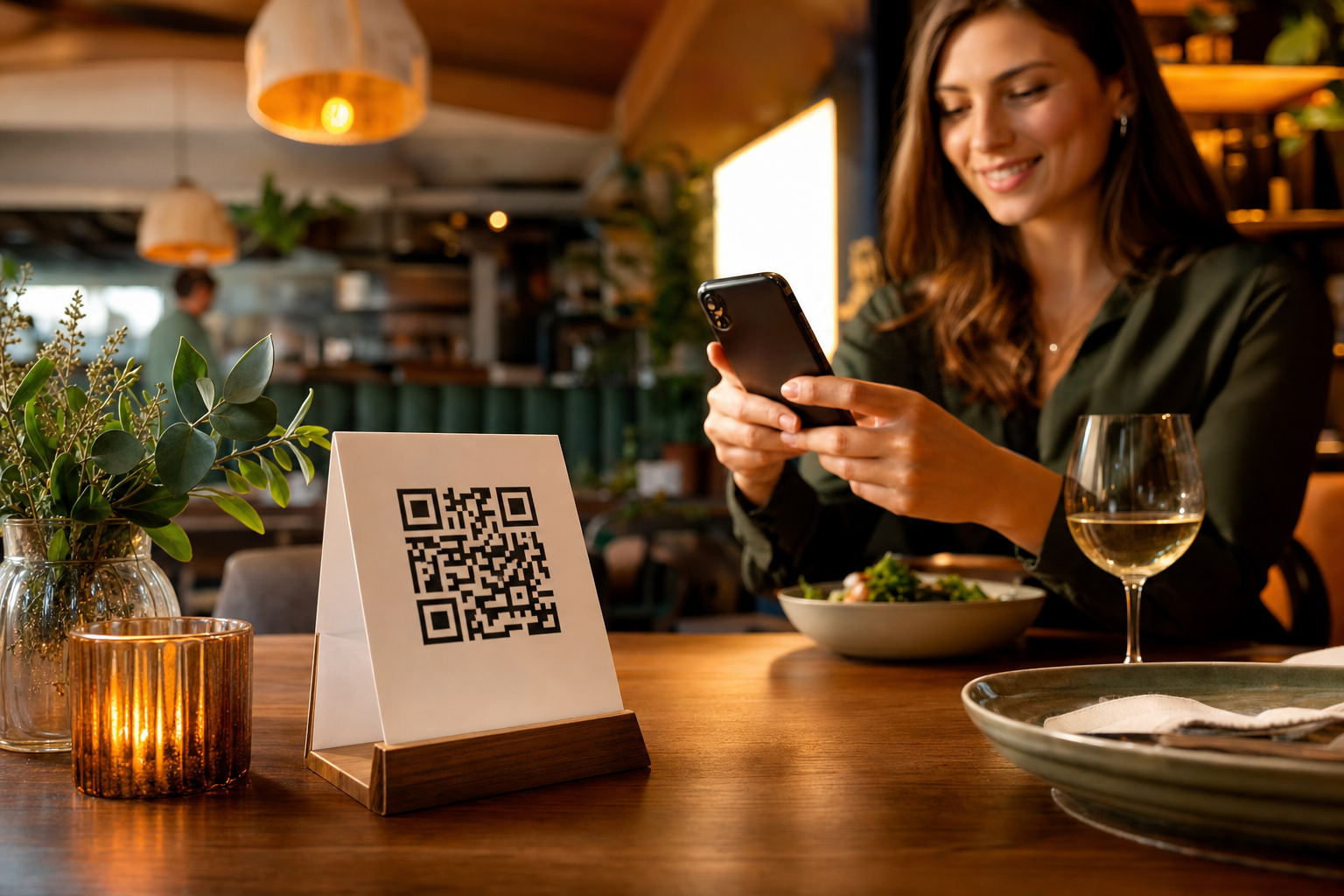
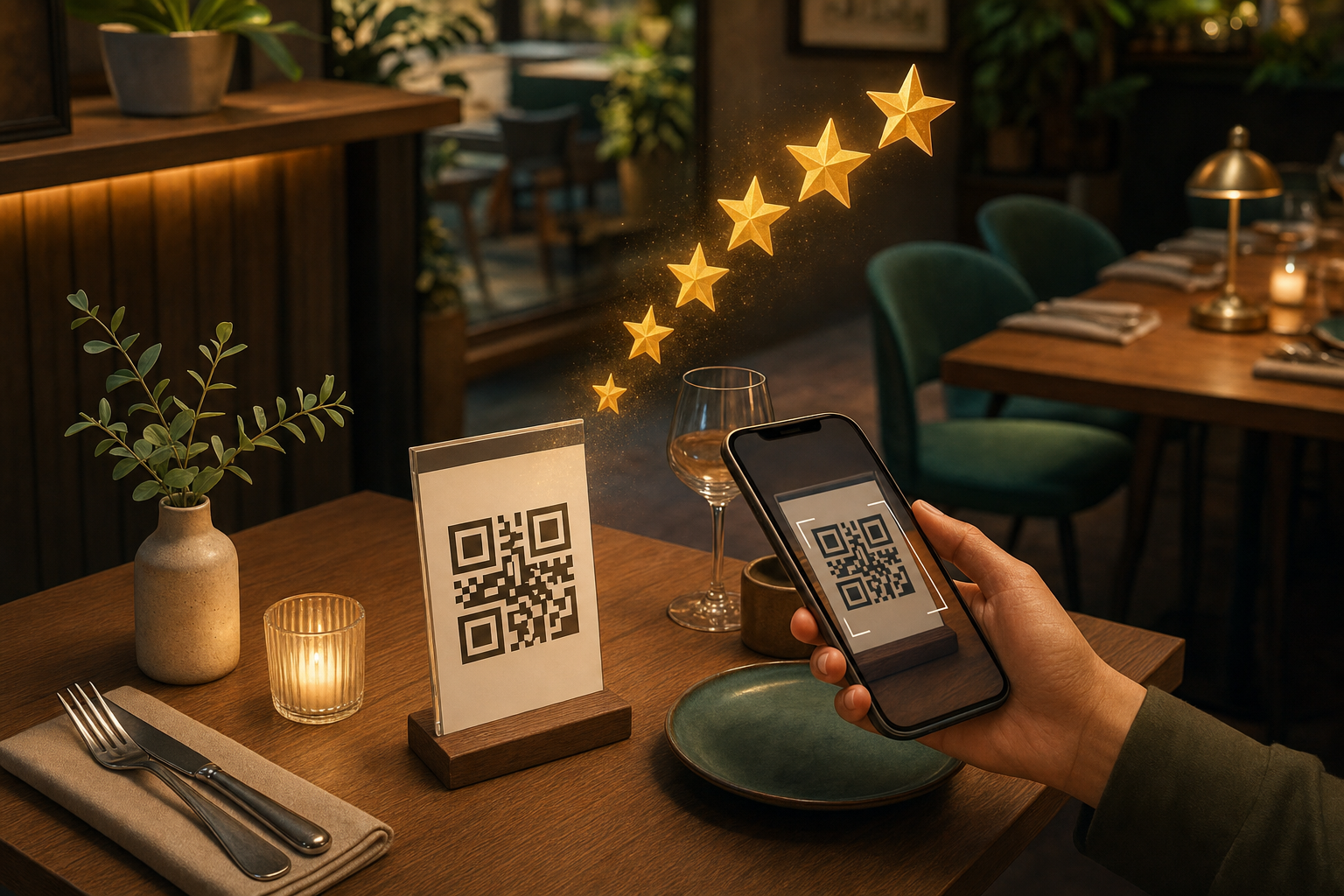
A good moment to ask for feedback is the end of the visit, when the guest is about to settle the bill and the experience is still fresh. How do you capture this moment without breaking the rules or making things awkward?
Use QR codes in strategic spots. Instead of having staff nag guests, place a QR code that leads directly to your Google profile in spots where it’s naturally noticed. This could be the back of the menu, an elegant table tent, or the counter by the till. Pair the code with neutral, inviting copy like: "How was your visit? We’d be glad if you shared your experience." No strings attached, no begging for five stars.
The link on the receipt. Most modern POS systems allow you to add custom text to the bottom of the receipt. A short sentence inviting feedback, perhaps with a small QR code, is a completely legitimate tool. Guests often take their receipts with them, giving them a chance to leave a review later from the comfort of their home.
Staff as the experience drivers. Your team plays a massive role. Whoever served the guest can and should ask for a review at the end, naturally and without pressure, by default every guest. The foundation is still the level of service that actually earns a top-tier rating. Reward your staff for service quality, cleanliness, and professionalism. Great service on its own won’t bring in reviews, though, because happy guests mostly stay quiet, so you have to ask. We explain why happy guests stay quiet and angry ones write in a separate article. If you’re unsure how to set up these internal processes, read our guide on how to lead staff for better reviews.
Systems for Hotels and Inns: Timing is Everything
In the hospitality sector, the dynamic is different. Guests spend more time on-site and usually reflect on their experience after they’ve checked out. This is where smart automation comes in.
A reliable and completely "clean" way to get reviews is the post-stay email. Most booking systems can automatically trigger a "Thank You" email 24 to 48 hours after checkout.
What should this email include?
- A sincere thank you for choosing your hotel.
- A hope that their journey home was smooth.
- A simple, visually clear link to your profile.
- A neutral call to action: "We are always looking to improve. If you have a minute, we’d truly appreciate your feedback on your stay."
You can also use passive reminders in the rooms. The guest info packet or the Wi-Fi login page are perfect places to include a feedback link. Again, frame it as an option, not an obligation.
Show That You’re Listening and Responding
The final, but very important, piece of the puzzle is your response to existing reviews. When a potential guest sees an owner who replies to comments, thanks people for praise, and professionally handles the occasional critique, they feel more motivated to contribute their own opinion. People want to know their voice actually matters.
However, monitoring and responding to every review can be incredibly time-consuming, especially when your café or hotel is full. That’s where Reputo comes in. Reputo monitors new Google reviews (and Booking.com reviews from the PRO plan), suggests a reply in your brand’s tone and publishes it once you approve it. This lets you focus on running your business while technology does the routine work for you.
Remember, building a stable online reputation isn't about one-off campaigns or shady shortcuts. It’s a long-term commitment. Put these passive tools in place, ask every guest for a review, treat your guests fairly and focus on good service. Reviews will then keep coming in steadily, without putting your profile at risk.
Once reviews start coming in, the second half of the job begins: replying to them. Reputo tracks new Google reviews and prepares a draft reply in your brand's tone for each one, which you complete and approve. Guests see that you read what they write, and topic analysis shows you what they praise and what they keep criticising.
Try Reputo free on one location
FAQ
Can I offer customers a free coffee or dessert in exchange for a review?
No, this practice is strictly prohibited. Google requires reviews to be objective and independent. Offering any reward, discount, or bonus in exchange for a review can lead to your reviews being deleted or your Google Business Profile being suspended.
What is review gating, and why do I need to watch out for it?
Review gating is a prohibited practice where a business filters customers and only asks for reviews from those who seem satisfied, while denying unhappy customers that same opportunity. Your review link and request for feedback must be presented neutrally and equally to every guest.
How can I reward my staff if I can’t set review quotas for them?
Staff should not be rewarded based on the number of reviews they get or for being mentioned by name in a review. Instead, reward your team for providing exceptional service and maintaining high standards. Good service alone won’t bring in reviews, though, because happy guests mostly stay quiet. That is why you should ask every guest for a review by default.
Is it okay to send an automated email asking for a review after a guest stays at my hotel?
Yes, sending an automated email after a guest checks out of your hotel or boutique inn is a common and completely allowed way to gather feedback. The email must be polite, neutral, and cannot make the review conditional on any reward.