Reviews vs. Quality: Why Perfect Food Doesn't Guarantee a 5-Star Rating
Your chef may be a genius, but if the service or atmosphere fails, your reviews will sink. Here is why the quality on the plate is not everything online.
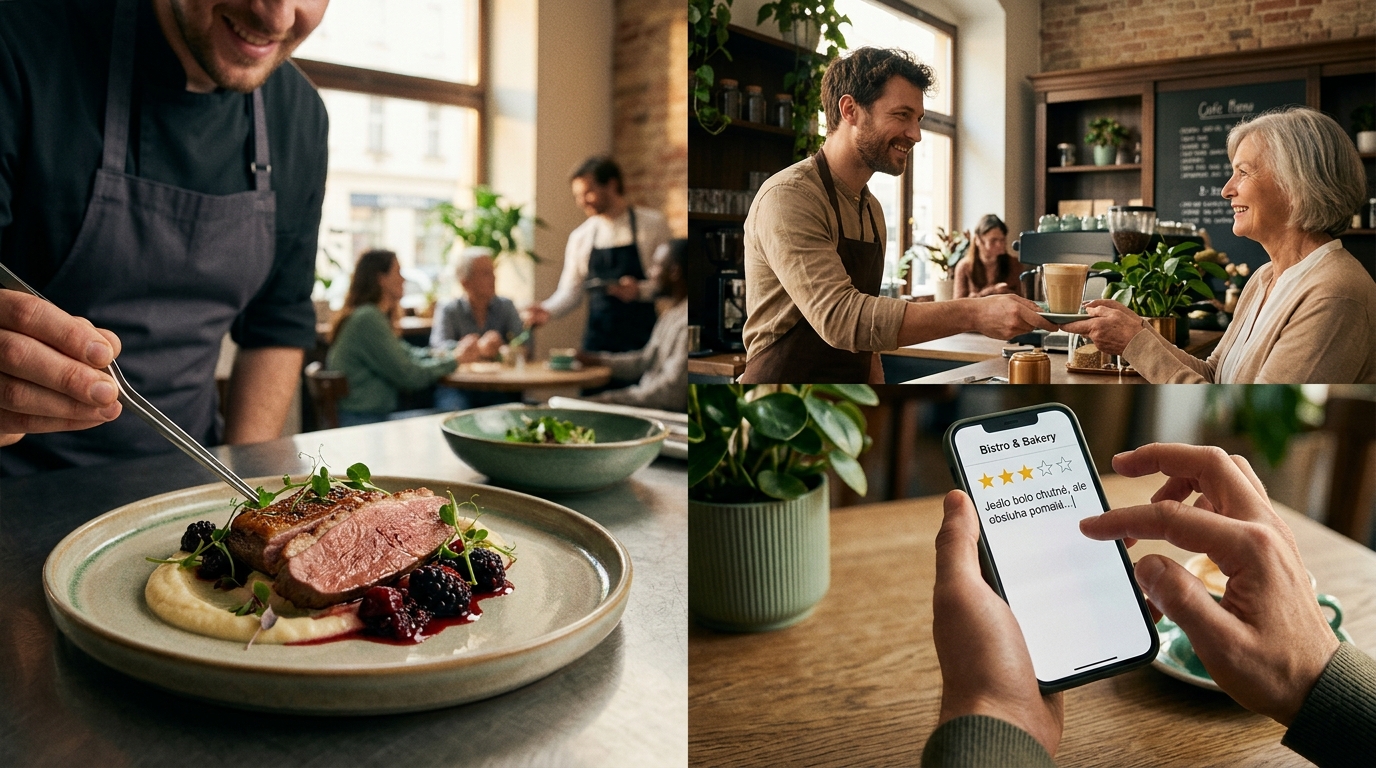
You have an excellent head chef. Your ingredients are local, your recipes are fine-tuned and every plate looks like a work of art. And yet you open your Google or Booking.com profile and see a rating of 3.8 stars. The place across the street, serving average ready-made dishes, shines with 4.6 stars. How is that possible? Do guests care more about reviews and surface impressions than about the real quality of your business?
The truth is harder than many owners would like to admit. Customers do not only rate what is on their plate or how soft the mattress is in their hotel room. They rate the whole experience. And this is exactly where the biggest gap opens up between the objective quality of your product and your online reputation.
Why perfect food does not guarantee five stars
A guest who comes to you does not see your business as an isolated tasting. They experience it from the moment they try to park until the moment you bring the bill. If you cook the best fillet steak in town, but the guest waits an hour for it in a draught and is served by a fed-up waiter, the food alone will not save the experience.
When guests sit down at the table, their expectations are set at a certain level. If the kitchen meets that level but the staff fail, it shows up in the review straight away. Online, people tend to punish exactly the failures that disrupted their comfort. Lost stars are rarely about you doing your core craft badly. They are about the context in which you sell that craft.
The most common reasons why top venues lose rating points
Let us look at the specific details that cost otherwise excellent restaurants and hotels tenths of a point in their online ratings:
- The human factor fails: An arrogant receptionist or a waiter who avoids eye contact can ruin the impression of even the most perfect stay or dinner. Customers remember the emotion they left with.
- Atmosphere and interior: Music that is too loud, dirty toilets, a wobbly table or unpleasant, cold lighting. If a guest does not feel physically comfortable, their brain subconsciously lowers the rating of the product itself.
- Process mistakes: No card payments without any prior notice, a confusing booking system, no parking or an extremely long wait for food when the place is full.
- Price and value: If you charge premium prices for perfect food, the guest expects premium service down to the smallest detail. If they get fast food level service, they feel cheated and take their frustration to a review.
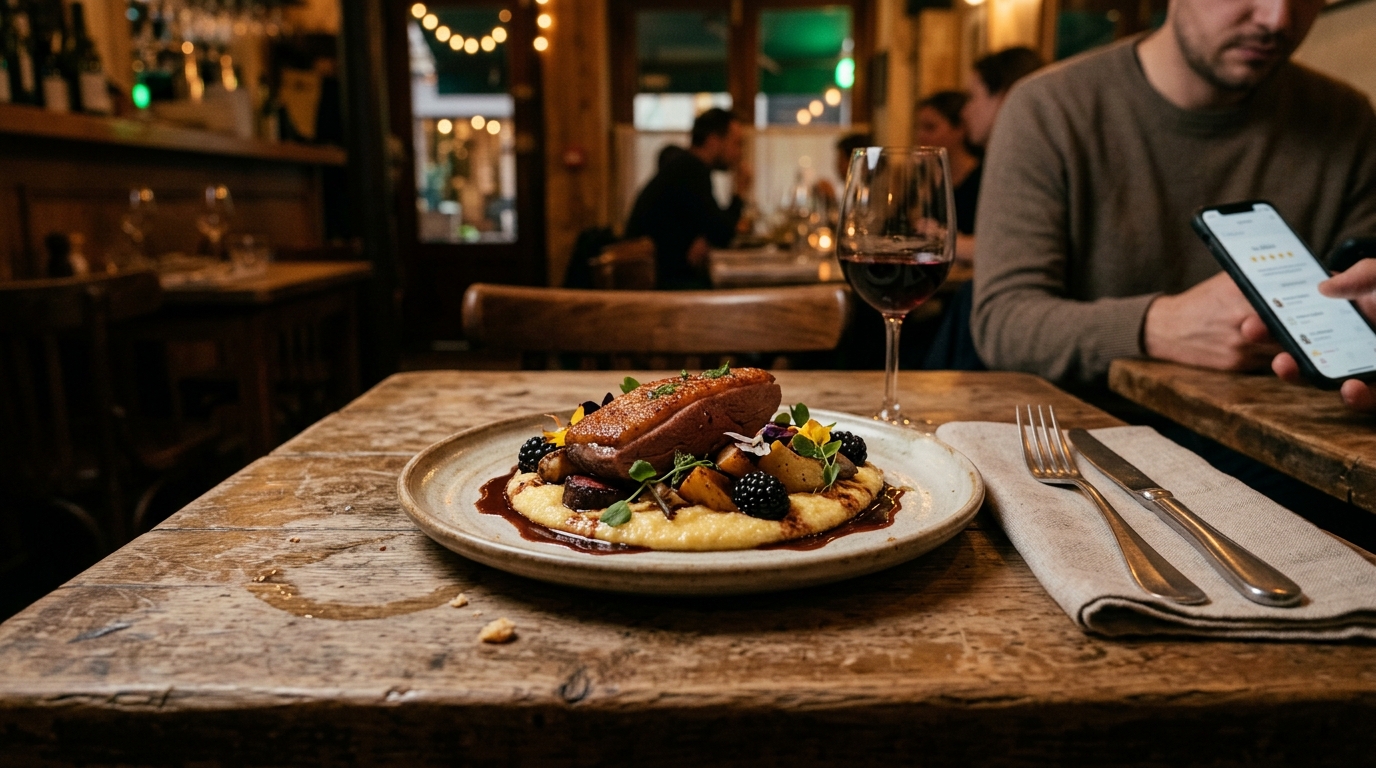
Do the best businesses always have the best reviews?
The answer is clear: no. We often see small neighbourhood cafes with fairly ordinary coffee getting better ratings than speciality coffee shops with champion baristas. The reason is managing expectations and building relationships.
A customer at a local place with a friendly owner who remembers their name and asks about their family will happily forgive a soup that is a little too cool or a coffee that took five minutes longer. On the other hand, in a luxury restaurant that presents itself as the peak of fine dining in the region, a guest will not forgive even a badly polished piece of cutlery. Your reviews reflect how well you meet the expectations you set yourself with your prices and your marketing.
The real quality of your business is an absolute value for you. For customers, however, reviews are highly relative. They measure the difference between what the guest expected and what they actually got. The overall picture of your profile is also skewed by who actually writes a review at all, and we cover that in the article why happy guests stay quiet and angry ones write.
Why online reviews work as your operations auditor
As an owner or manager, you suffer from operational blindness. You overlook the wobbly table in the corner because you walk past it every day. You do not notice that the music is too loud because you have got used to the playlist.
Your guests do not have that blindness. They take everything in with fresh senses. If your business offers objectively great food or accommodation and you still lose stars, your reviews show you exactly where your blind spots are. Through their ratings, customers are giving you a free operations audit. They point a finger at the details that hold back your growth.

How to match the quality on the plate with your quality online
If you know your product is excellent but your online ratings do not reflect it, you need to start analysing carefully what your customers are telling you. Do not take a lost star as a personal insult. Treat it as a diagnostic tool.
Look for patterns in the feedback. If three people in a month write that the food was amazing but the waiter was rude, you know exactly who you need to talk to. If they complain about the cold in the dining room, you do not need to buy more expensive ingredients. You need a better heater or a different thermostat setting.
Reply to reviews constructively. Even a negative review focused on details is a big opportunity to show professionalism. Thank the guest for praising the kitchen and explain openly how you are dealing with the problem with the service or the interior. This shows future customers reading your profile that you care about the whole experience, not just about taking their money.
Let technology guard your standards
Keeping a detailed overview of what guests write on Google Business Profile, Tripadvisor or Booking.com can be exhausting on top of daily operations. Especially when you try to separate feedback on food quality from feedback on cleanliness and service.
This is where the right system helps. Reputo monitors new reviews from Google and, from the PRO plan, also from Booking.com, so you have them in one place. Topic analysis of your reviews shows you which complaints keep coming back and how they change over time, so you quickly find out exactly why you are losing those valuable stars. Instead of searching through individual profiles by hand, Reputo helps you keep a clear overview and react in time. You find out whether your business really is paying for details in the service, and you can fix things before a single slip turns into a lasting drop in your rating.
At the end of the day, an excellent product is the most solid foundation for success. But if you wrap that product in poor service or an unpleasant environment, your online reputation will not forgive you. Make sure the guest's overall experience is as perfect as what you serve them on the plate.
Reputo shows you exactly where the quality on the plate and the guest's experience part ways. Its review topic analysis shows whether guests mostly mention the food, the service or the setting, and how that changes over time. The comparison with competitors in your area then tells you where you stand against the places across the street.
Try Reputo free on one location
FAQ
Why does our restaurant have great food but worse reviews than average competitors?
Guests do not rate only the food, but the whole experience. If a competitor offers flawless, friendly service in a very pleasant setting, customers will happily forgive a less refined menu. Your lower rating most likely reflects weaknesses in the service, long waits or a cold atmosphere.
How much do staff affect a business's online rating?
A great deal. The human factor triggers the strongest emotions in guests. Arrogance, inattention or, on the contrary, exceptional friendliness of the staff are the most common reasons why a customer decides to write an online review on Google or other platforms.
How should we reply to a review that praises the product but criticises the setting?
Reply constructively and assertively. Thank the guest for praising your kitchen or rooms, apologise sincerely for the discomfort, such as a dirty table or noise, and say clearly what concrete steps you have taken to fix the problem.
Can Reputo help uncover specific operational weaknesses?
Yes. Reputo monitors your reviews from Google and, from the PRO plan, also from Booking.com in one place. Topic analysis of your reviews shows what guests mention most often and how that changes over time. This lets you spot patterns in the feedback much faster and see whether your lost stars come, for example, from slow service or the poor condition of the interior.